
 By
By 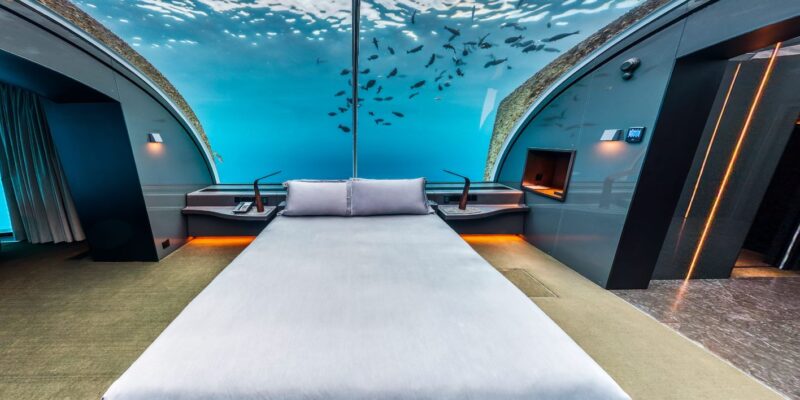
The human fascination with the ocean has long transcended the simple act of sailing across its surface. For centuries, poets and scientists alike have dreamed of what lies in the deep, and in recent decades, that dream has crystallized into a tangible reality through the emergence of underwater hotels. This architectural frontier represents the pinnacle of luxury travel and marine engineering, offering guests an immersive experience that was once reserved for scuba divers or the pages of science fiction novels. These submerged sanctuaries allow travelers to witness the vibrant ballet of coral reefs and the silent glide of pelagic hunters from the comfort of a climate-controlled suite.
The Engineering Marvels of Submerged Structures
Building a hotel beneath the waves is an monumental undertaking that requires a perfect harmony between high-end hospitality and rigorous structural engineering. The challenges are immense, ranging from the immense pressure of the water column to the corrosive nature of the saltwater environment.
Pressure Resistance and Material Science
The primary concern for any underwater structure is the hydrostatic pressure. As depth increases, the weight of the water above exerts a crushing force on all sides of a building. To counteract this, engineers utilize specialized materials.
-
Acrylic Windows: Unlike standard glass, which is brittle, high-grade acrylic polymers are used for the panoramic views. These panels are often several inches thick and are designed to flex slightly under pressure without shattering.
-
Steel and Concrete Shells: The main structural frames are typically composed of reinforced marine-grade steel or high-density concrete. These materials are treated with anti-corrosive coatings to prevent the salt from compromising the integrity of the structure over time.
-
Structural Geometry: Many underwater suites utilize cylindrical or dome-shaped designs. These shapes are naturally better at distributing pressure evenly across the surface, reducing the risk of structural failure at specific stress points.
Life Support and Sustainability
Operating a hotel underwater is similar in many ways to operating a space station. The environment is hostile to human life, necessitating redundant systems to ensure guest safety.
-
Air Circulation: Advanced HVAC systems constantly scrub the air of carbon dioxide and replenish oxygen, while also managing humidity levels to prevent condensation on the cold acrylic walls.
-
Freshwater Supply: Most underwater hotels are connected to the mainland or a floating platform by umbilical cords that carry fresh water, electricity, and fiber-optic data lines.
-
Emergency Egress: Safety protocols are rigorous. Suites are often equipped with emergency air supplies and may feature automated flotation systems or hyperbaric chambers in the event of a breach.
Global Destinations for Subaquatic Luxury
While the number of true underwater hotels remains small due to the extreme cost of construction and maintenance, the existing locations offer diverse experiences ranging from tropical lagoons to deep-sea adventures.
The Maldives: A Pioneer in the Deep
The Maldives has established itself as the global epicenter for underwater architecture. Because the nation consists of low-lying atolls surrounded by shallow, crystal-clear lagoons, it provides the perfect environment for submerged construction. One of the most famous examples features a residence split into two levels: one above the water for sunbathing and dining, and a master bedroom submerged sixteen feet below the surface. Guests here can watch schools of tropical fish and reef sharks pass by their bed in a private, silent world.
Dubai: The Heights of Innovation
Never a city to be outdone in the realm of luxury, Dubai has pushed the boundaries of what an underwater hotel can be. Some developments focus on “floating” villas where the bottom floor is submerged. This design allows for a unique perspective on the man-made reef ecosystems being developed in the Persian Gulf. These structures often emphasize privacy and ultra-high-end amenities, targeting travelers seeking the ultimate in exclusivity.
Tanzania: Remote Serenity
On the island of Pemba, off the coast of Tanzania, the underwater experience is more rugged and connected to nature. Here, a floating room anchored in a blue hole offers a 360-degree view of the Indian Ocean. Unlike the high-tech hubs of Dubai, this location emphasizes the raw beauty of the marine environment, providing a front-row seat to the daily migrations of local reef life.
The Ecological Impact and Conservation Efforts
The construction of a hotel on the ocean floor naturally raises questions about the health of the marine ecosystem. Responsible developers have turned these projects into opportunities for reef restoration and scientific study.
Building for the Reef
Instead of displacing marine life, many modern underwater hotels are designed to act as artificial reefs. The textures used on the exterior of the concrete structures are often specifically engineered to encourage coral polyp attachment. Over time, the hotel itself becomes a living part of the reef, providing shelter for small fish and invertebrates.
-
Coral Seeding: Some resorts employ on-site marine biologists who “seed” the hotel structure with native coral species to accelerate the growth of the ecosystem.
-
Light Pollution Mitigation: Standard artificial light can disrupt the circadian rhythms of marine life. Designers use specialized lighting spectra that are less visible to fish or employ directional lighting that minimizes spill into the surrounding water.
Scientific Collaboration
Underwater hotels often serve as hubs for marine research. Because the structures are permanent and provide power and data connectivity, they offer scientists a unique platform to monitor water quality, temperature fluctuations, and fish behavior over long periods. This data is invaluable for understanding the impacts of climate change on coral reef health.
The Guest Experience: What to Expect
Staying in an underwater hotel is a sensory experience unlike any other. The most striking aspect is the silence. The dense water column acts as a natural sound insulator, mutating the world above into a peaceful, rhythmic environment.
The Visual Spectacle
The “entertainment” in an underwater suite is the ocean itself. During the day, the sunlight filters through the water in a phenomenon known as “shimmer,” creating dancing patterns on the interior walls. At night, many hotels use subtle external floodlights to reveal the nocturnal creatures that emerge after the sun sets. Watching a manta ray or a turtle drift past your window while you lie in bed is a profound reminder of the scale and beauty of the natural world.
Psychological Effects of Submersion
Many guests report a deep sense of calm and “blue mind” during their stay. The presence of water and the slow, graceful movement of fish have been scientifically shown to lower heart rates and reduce stress. However, it is also common for guests to feel a brief period of adjustment as they acclimate to the idea of being surrounded by millions of gallons of water.
The Future of Submerged Living
As technology improves and the cost of specialized materials decreases, the dream of larger underwater communities may move closer to reality. We are already seeing designs for submerged museums, restaurants, and even spas. The focus is shifting from temporary stays to more integrated ocean living, where humans can coexist with marine life without causing harm.
Future developments may utilize autonomous underwater vehicles (AUVs) for guest transport or incorporate renewable energy sources like tidal turbines and wave energy converters to make these hotels completely self-sufficient. The ultimate goal is to create a closed-loop system where luxury travel supports the protection and rejuvenation of the world’s oceans.
Frequently Asked Questions
Is it possible to get seasick while staying in an underwater hotel?
Generally, guests do not experience motion sickness in an underwater hotel. Most of these structures are either firmly anchored to the seabed or are large enough that they do not rock with the surface waves. Because the rooms are located below the swell, the environment is remarkably stable. Those in floating structures with submerged rooms may feel a very slight, rhythmic movement, but it is typically far less intense than what one would feel on a boat.
How do guests enter and exit the submerged suites?
Entry is usually achieved through a spiral staircase or a small elevator located in the portion of the structure that sits above the water level. The transition is seamless, and there is no need for diving gear or decompression. The interior pressure is kept at one atmosphere, the same as at sea level, so guests do not feel any physical changes in their ears or lungs as they descend.
What happens if a window or a seal breaks?
Safety is the highest priority in these designs. The acrylic windows are built with high safety factors and are virtually indestructible under normal operating conditions. Furthermore, the suites are designed with multiple bulkheads and waterproof doors that can be sealed to isolate any specific area. Automated sensors monitor for moisture or pressure changes, providing early warnings to the surface crew.
How is the privacy of guests maintained in an underwater room?
Privacy is managed through a combination of location and technology. The suites are usually placed far apart to ensure that one guest cannot see into another room. Some hotels use “smart glass” that can be electronically tinted at the touch of a button. Furthermore, most resorts have strict “no-fly” or “no-dive” zones around the underwater structures to prevent external interference.
Are underwater hotels accessible to people with disabilities?
Many modern underwater hotels are designed with accessibility in mind. While older or more remote floating structures might have limitations due to space, newer developments in places like the Maldives and Dubai often include elevator access to the submerged levels. It is always recommended to check the specific layout of a resort, as some utilize narrow spiral staircases that may not be suitable for all guests.
Do underwater hotels have natural light during the day?
Yes, natural light is a significant feature of the experience. Depending on the depth and the clarity of the water, sunlight can penetrate quite deeply, creating a soft, blue-tinted glow within the room. However, the colors of the spectrum are absorbed by water at different rates; reds and yellows disappear first, which is why everything underwater appears in shades of blue and green. Many rooms use specialized interior lighting to bring the full color of the coral back to the viewer’s eye.
Is there an age limit for staying in an underwater suite?
Each resort has its own policy, but many underwater hotels allow children under adult supervision. Some luxury locations, however, may designate underwater suites as adult-only environments to maintain a quiet and serene atmosphere. Due to the high cost and the unique nature of the experience, these rooms are often marketed toward couples celebrating special occasions like honeymoons or anniversaries.









Comments