
 By
By 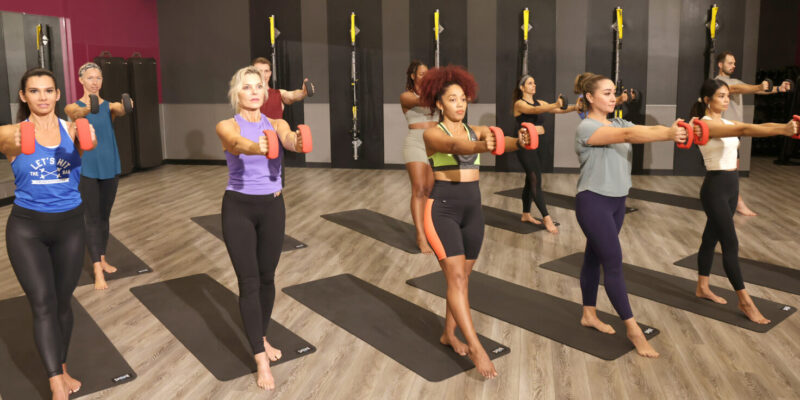
The most experienced group fitness regulars in Singapore’s premium gyms have developed sophisticated class attendance strategies that look very different from the approach of members who simply attend whichever class fits their schedule on any given week. These experienced members have identified a concept that exercise scientists call class stacking: the deliberate selection and sequencing of fitness classes across the week to create a balanced, progressive training stimulus that develops multiple physical qualities simultaneously without creating the fatigue accumulation, overuse patterns, or recovery deficits that unplanned class attendance produces. fitness classes singapore venues offer the variety needed to make this approach work, but the strategy behind class selection is what separates genuinely productive training from busy but undirected attendance.
The Foundation of Class Stacking Strategy
Class stacking begins with an understanding of what each class format primarily trains and how it contributes to or taxes the body’s recovery resources. Without this understanding, class selection is effectively random from a physiological standpoint, even if it feels intentional because the member is choosing classes they enjoy.
Mapping Classes to Physical Qualities
Every fitness class develops some combination of the primary physical qualities: cardiovascular endurance, muscular strength, muscular endurance, power, mobility, and neuromuscular coordination. Understanding which qualities each class primarily develops allows a Singapore gym member to construct a weekly class schedule that distributes development across all relevant qualities rather than repeatedly stimulating the same ones.
A weekly schedule that consists entirely of high-intensity cardio-based classes develops cardiovascular fitness at the expense of muscular strength, mobility, and recovery. A schedule consisting entirely of strength-based group formats develops muscular strength but may underserve cardiovascular adaptation and mobility. The stacking approach deliberately selects classes to fill the gaps that any single format would leave, creating a weekly training stimulus that is more comprehensively balanced than any individual class can provide.
Recovery Sequencing as the Critical Variable
The sequencing of classes across the week is as important as the class selection itself. High-intensity cardiovascular classes, heavy strength-based formats, and power-focused sessions all create significant recovery demands that affect the quality of subsequent training sessions if adequate recovery time is not positioned between them.
Singapore gym members who stack classes effectively position high-demand sessions with sufficient recovery between them, use lower-intensity mobility and conditioning classes as active recovery on days between high-intensity sessions, and manage their total weekly training load to remain within their recovery capacity rather than simply maximising session count.
Practical Class Stacking Examples for Singapore Gym Members
Translating stacking principles into a practical weekly structure requires consideration of both the training goals and the class timetable reality of a specific Singapore gym facility.
The Strength-Conditioning Stack
A strength-conditioning stack prioritises muscular development and cardiovascular fitness as co-equal goals. A typical week might include two strength-based group formats on non-consecutive days, two moderate-intensity cardiovascular formats on recovery days between strength sessions, one high-intensity conditioning format at the end of the training week when accumulated fatigue is acceptable because a rest day follows, and one mobility class to manage the restriction patterns that strength and conditioning training accumulates.
The Performance Stack
A performance-oriented stack for members with athletic goals emphasises power, strength, and cardiovascular capacity in a progression that builds each quality in support of the others. Power-focused formats follow strength sessions by forty-eight hours to allow the neuromuscular recovery that power output requires, and cardiovascular formats are positioned to develop aerobic base without creating lower limb fatigue that compromises the strength and power sessions.
True Fitness Singapore’s class timetable diversity and scheduling distribution across the week provides the options needed to construct genuinely balanced stacking strategies for members at different training stages and with different goals. True Fitness Singapore supports members in developing class attendance strategies through its coaching staff, who can recommend specific class combinations that serve individual member training objectives.
FAQs
Q. – I attend five fitness classes per week and feel constantly fatigued. Could my class selection be creating a recovery problem?
Ans. – Yes, this is a very common presentation among Singapore group fitness regulars who maximise session count without managing recovery quality. Five classes per week can easily exceed recovery capacity if several of those classes are high-intensity formats that create overlapping recovery demands. Audit your current class selection by identifying which classes place significant demand on the same physical systems, and restructure your weekly schedule to ensure that high-demand sessions are separated by at least forty-eight hours of recovery or separated by lower-intensity class attendance rather than adjacent high-intensity sessions.
Q. – How do I know if my current class combination is producing balanced development or overemphasising certain physical qualities?
Ans. – A simple audit involves listing each class you attend and identifying its primary training emphasis from the categories of strength, cardiovascular endurance, power, muscular endurance, and mobility. If two or more categories have no class representation in your weekly schedule, your current combination has gaps. If more than half your weekly sessions emphasise the same primary quality, your current combination is overemphasising that quality at the expense of the others. The goal is at least one session per week contributing to each of the four to five primary qualities relevant to your training goals.
Q. – My favourite Singapore gym does not have a yoga or dedicated mobility class in its timetable. How do I incorporate mobility work into a class-based training week?
Ans. – Several options address this gap. Extended cool-down sessions after high-intensity classes, performed independently in the gym’s stretching area after the class ends, provide fifteen to twenty minutes of sustained mobility work without requiring a dedicated class slot. Home-based mobility sessions using online resources on recovery days between gym attendance are a complementary approach that does not depend on class timetable availability. Periodically attending a dedicated mobility class at another facility, or using your gym’s personal training resource for a movement quality session, fills the gap for members who cannot address it through the primary gym’s timetable.
Q. – Is it better to attend the same classes consistently each week or to vary my class selection frequently?
Ans. – Consistent weekly patterns have the advantage of building instructor relationships, developing technique in specific formats through repeated practice, and creating the predictable routine that supports adherence. Variable class selection has the advantage of preventing adaptation to a single stimulus pattern and providing the movement variety that reduces overuse risk. The most effective approach combines a consistent structural pattern, the same class types on the same weekly days, with occasional variation in the specific class content when the format offers different programming cycles or when a new class format aligns with a gap in your current development.
Q. – How many fitness classes per week is optimal for someone training primarily through group formats without additional solo training?
Ans. – For most Singapore adults training exclusively through group fitness classes, three to five classes per week represents the range that produces consistent development without exceeding typical recovery capacity. Below three sessions per week, training frequency is insufficient for most fitness goals. Above five sessions per week, recovery management becomes a significant concern that requires careful class selection and sequencing to avoid the fatigue accumulation that impairs adaptation. The optimal number within this range depends on the intensity of the specific classes attended: three high-intensity classes per week creates different total load than five moderate-intensity classes, and individual recovery capacity varies considerably based on sleep quality, stress levels, and nutritional management.










Comments